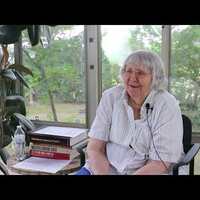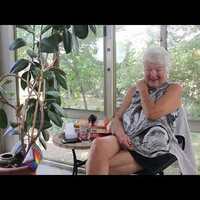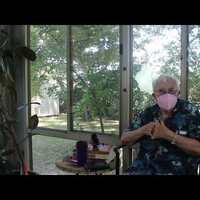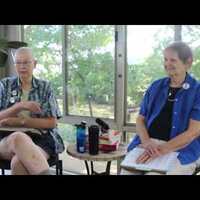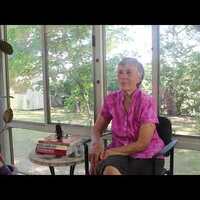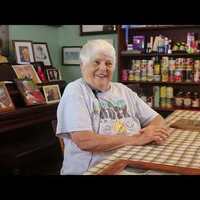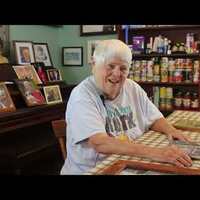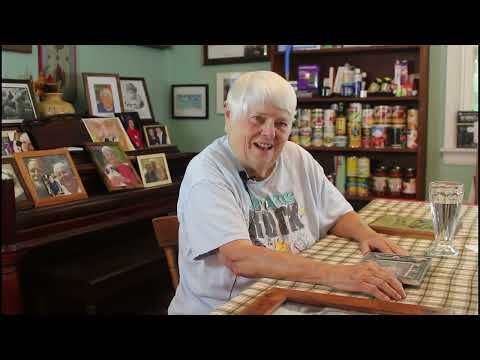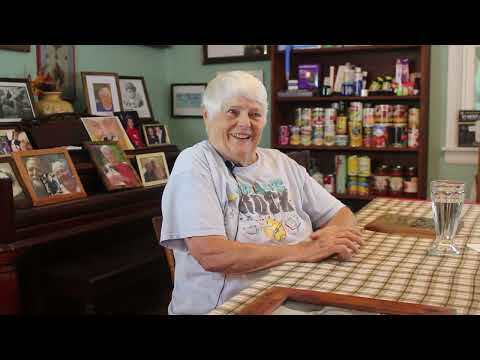
Allyn Lord reflects on the evolution of LGBTQ+ rights, women's spaces, and community building, shaped by her lived experiences and activism. She observes that while progress has been made—particularly as younger women step up to lead—much of the work remains rooted in the collective struggles of her generation. Issues like abortion rights have continued to galvanize the community, but the path to inclusivity has not always been smooth.
Lord recounts specific challenges, such as the targeting of lesbian groups in the 1980s by right-wing infiltrators, which led to the dismantling of some spaces like the Women's Center. Yet, she celebrates how the community responded with resilience, forming stronger bonds through shared purpose. She also recognizes tensions within women-only spaces, particularly around the inclusion of transgender women, emphasizing her personal belief in inclusivity as a natural extension of the rights for which they fought.
Through her creative initiatives, like the long-running Couples Game fundraiser, Lord highlights the power of joy and connection in building community. These events provided a space where women could come together outside the traditional bar scene, raising funds for vital causes while fostering a sense of belonging. Despite challenges such as the AIDS crisis or the perception of LGBTQ+ identities as purely sexual, she recalls how activism, art, and shared experiences deepened the community's bonds.
Ultimately, Lord’s reflections underscore her enduring commitment to the Fayetteville community, which she chose as her home and a hub of activism, creativity, and solidarity.
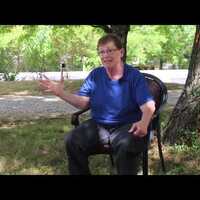
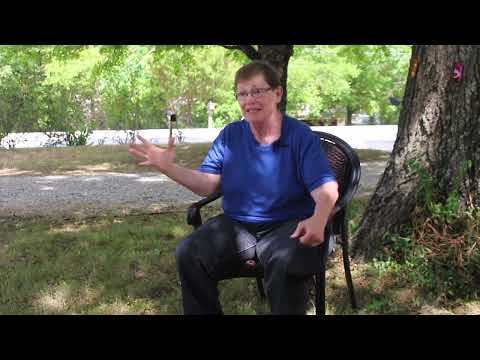
Barb Harris recounts the experience of navigating family dynamics, coming out as LGBTQ+, and building relationships in rural and urban contexts, particularly in Arkansas and Oklahoma, across several decades. She touches on societal attitudes toward LGBTQ+ individuals, community-building efforts through social events like supper clubs and the gay rodeo, and personal anecdotes of resilience and acceptance. She also reflects on generational differences in understanding and embracing identity.
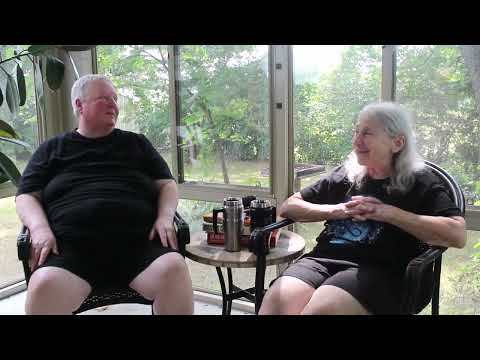
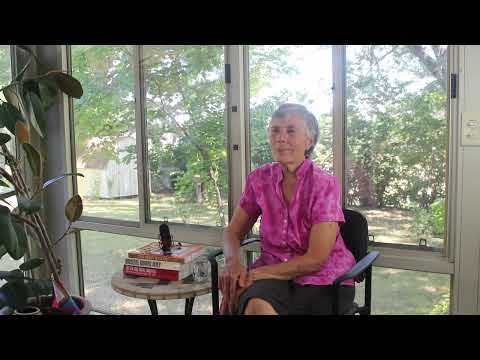
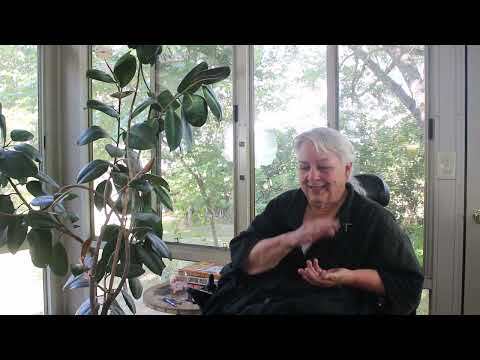
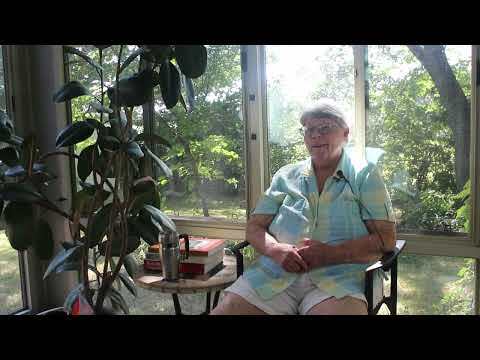
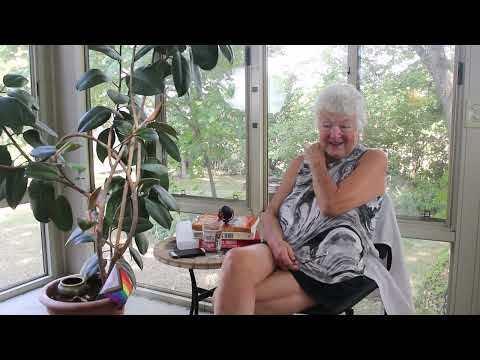
Beverly and Chava recall their experiences being lesbians as well as activists in the early 1980s. Beverly discusses their involvement in the "Razor Dykes" at the University of Arkansas. Chava discusses her involvement in the "Land Dyke" movement. They talk about their connections to Spinster Haven and Eldertree, as well as the experience of having children when it was illegal for homosexuals to do so.
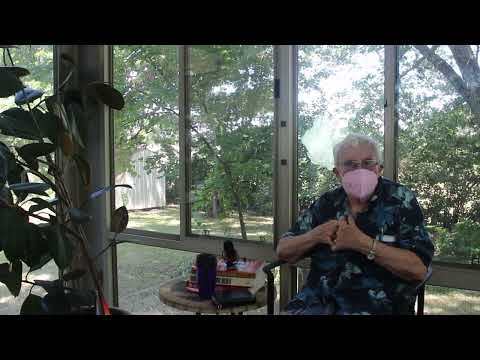
Chris Christophel, 82, shares their journey of activism, identity, and community involvement. From fighting for AIDS awareness, gay and women's rights, to moving to Fayetteville in 1986 and helping create a women’s library, Chris reflects on key moments in their life. They discuss their coming out, their experiences with separatism, and their role in Arkansas' political landscape. Chris also talks about being a buddy to those affected by AIDS and discovering their nonbinary identity. The interview offers insights into LGBTQ+ history, personal struggles, and the evolution of social acceptance.
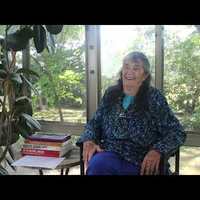
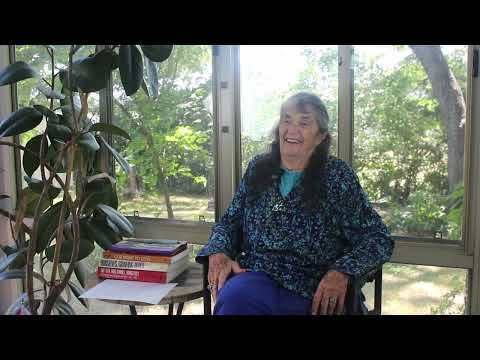
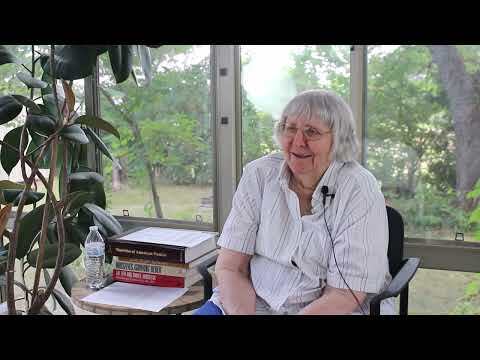
The life and experiences of Diana Rivers, a 90-year-old artist, writer, activist, and community leader. Diana discusses her journey of self-discovery, including her decision to change her name, her identity as a lesbian, and her activism against the Vietnam War and for LGBTQ+ rights. She reflects on her deep commitment to community building, highlighting her involvement in women's spaces like Spinsterhaven and OLHA (Ozark Land Holding Association). Diana also shares insights into her artistic endeavors as a sculptor and writer, particularly her "Hydra" book series, and her embrace of pagan spirituality through Goddess Productions and women's circles. Throughout, she comments on cultural shifts, the challenges of patriarchy, and the evolving acceptance of LGBTQ+ individuals, offering a rich and reflective narrative of her life's work and passions.
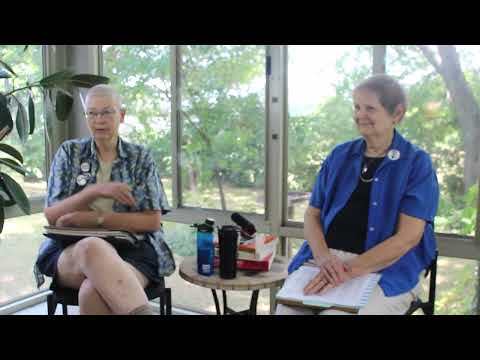
Jeanne Neath and Paula Mariedaughter discuss their involvement with feminist and lesbian activism, focusing on women-centered spaces and resources. Jeanne talks about her academic history and Spinster’s Books and Webbery in Kansas. Jeanne and Paula discuss organizing events and initiatives like the Lavender Umbrella community center. They also co-published At the Crossroads, a journal on feminism and spirituality. Central to their activism has been a commitment to separatist principles, emphasizing women-only spaces and relationships. However, their views regarding transgender people, particularly opposition to including trans women in women’s spaces, have been highly controversial, leading to significant conflicts within feminist and lesbian communities. Despite this, they have remained steadfast in their efforts to maintain and advocate for spaces centered on their interpretation of radical lesbian feminism.
Linda Nelson recalls her experience as an activist since the 1960s, participating in demonstrations against the Vietnam War, for the Civil Rights movement, and for abortion rights. She discusses her involvement with Spinster Haven, including helping acquire some of the property.
Lydia discusses her involvement with the Northwest Arkansas women's community. She participated in rape crisis, the Razordykes, Spinsterhaven, and interacted with women from the land.
Nancy Vaughn shares her journey as a lesbian, beginning with her realization during her time in the women's corps of the Army. She describes how joining Ozark Land Holding Association (OLHA) was a dream come true and reflects on her experiences working in construction, which shaped her views on separatism. She also discusses her family, where many were gay, and the challenges she faced as a lesbian in the military, as well as her later careers as a teacher and carpenter.
Nancy recalls her time in the land movement, particularly her work on Diana Waters' house, and describes living in a women-only community as a deeply fulfilling experience. While not a separatist, she discusses her thoughts on trans women and the occasional invitation of cisgender men to the land, though they cannot live there. She shares her comfort in coming out to coworkers during her construction days, and while she experienced teasing, she was fortunate to find understanding men, although she also had negative experiences with others.
Nancy reflects on some of her most memorable moments at OLHA, including women coming together for workdays and Thanksgiving. She speaks about finding the love of her life and the happiness they shared, though she acknowledges that not everyone has had such luck. The conversation touches on non-monogamy and BDSM, with Nancy expressing that these were not her interests, despite her attempts to understand them.
She also talks about the impact of the HIV/AIDS crisis, recounting the story of a close friend who contracted the virus while trying to get pregnant and passed away when her child was 11. Nancy shares funny stories from her life, her role as a founder of Spinsterhaven, and the importance of their women's center. While finding board members has been challenging, she expresses determination to continue the work.
This interview features an 82-year-old woman, Sheila Richards, reflecting on her journey as an artist, activist, and participant in lesbian feminist communities. She describes her transformative work creating body casts of women, which explored themes of self-image, body acceptance, and personal empowerment. She recounts the spiritual and emotional depth of these projects, which included exhibitions and workshops across North America and at international feminist gatherings.
The interview also touches on her life in various lesbian land communities, her experience with women's organizations, and her efforts to balance personal values with practical decisions, such as providing for her daughter. The narrative captures her reflections on the political and social climates she encountered as a lesbian and a feminist in places like Arkansas, Massachusetts, and California during the 1970s-1990s. The interview highlights her creative endeavors and her role in fostering dialogues on gender, body image, and identity.
Trella Laughlin, a filmmaker and activist, reflects on her upbringing in Jackson, Mississippi, and her involvement in the back-to-the-land movement. She discusses her experiences living in Northwest Arkansas and Spinsterhaven, as well as her past feelings towards men. Trella addresses separatism, male supremacy, and its impact on activism. She shares her thoughts on how movements have evolved and her hopes for the future.
Trella also recalls the most impactful moments from her activism and the people she’s met along the way. When discussing her romantic and erotic history, she reflects on queer dating life, bar culture, and the role they played. She and Marie, her partner, revisit their relationship journey, including how they met, broke up, and reconnected.
Trella created the public broadcast network “Let the People Speak” through the Austin Community Channel. She interviewed people across the world, including activists and revolutionaries in countries such as Venezuela, Ecuador, and Hungary.
Trella and Marie talk about what they value in relationships and how aging has influenced their understanding of them. They also touch on their acceptance of death and how it has shaped their connection.
Trella opens up about her mental health struggles and how criticism has been crucial for her personal growth. As the interview concludes, she emphasizes the importance of accepting criticism for self-improvement.
Wanda Brewer-Stevens, an 89-year-old woman reflects on her life experiences, identity, education, activism, and career. Wanda discusses the complexity of defining her sexual identity, shaped by her long marriage, family life, and relationships with close women friends.
She shares her educational journey, starting with a bachelor's in home economics in the 1950s and later earning a master's degree. Wanda talks about her career as a home economics teacher and her decision to leave the workforce to raise her children while remaining actively involved in civic and community organizations, such as the American Association of University Women (AAUW) and the League of Women Voters. She highlights her contributions to local initiatives like daycare centers and her ongoing interest in politics, which began in her teenage years.
Wanda's narrative reveals a deep engagement with activism, from serving in leadership roles in community organizations to participating in international exchange programs like 4-H. Her story offers a perspective on the societal expectations of women in her era and how she navigated these while pursuing education, activism, and a balanced family life.
The interview reflects Wanda's resilience, adaptability, and commitment to community service, making her a remarkable example of personal and social empowerment throughout her life.