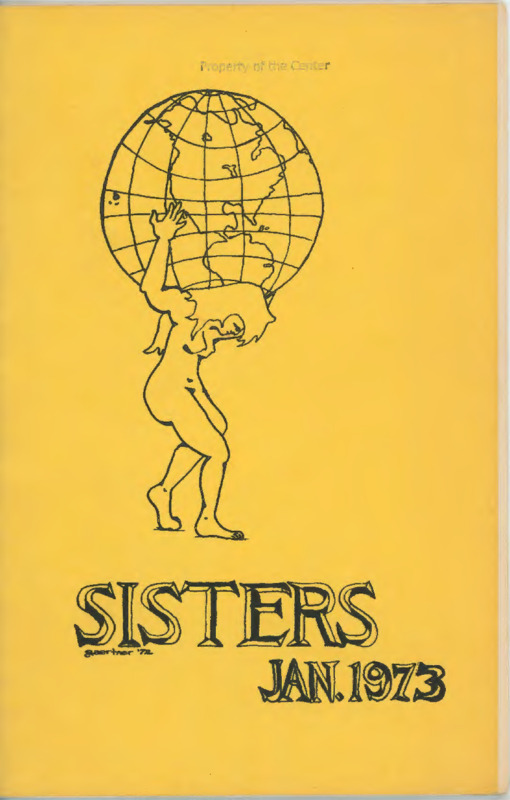
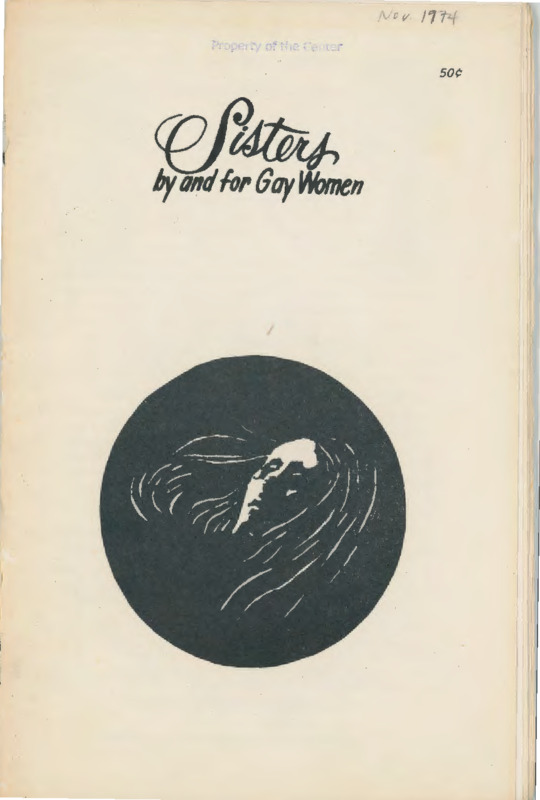
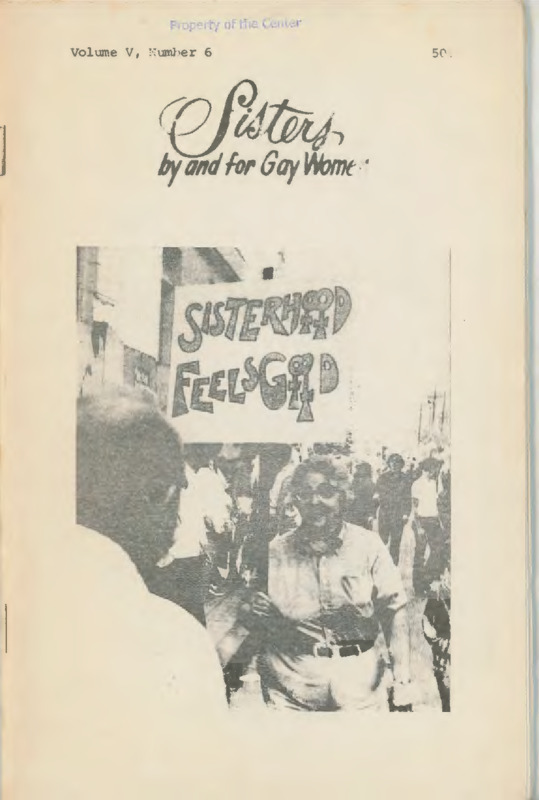
Sisters was "a magazine by and for gay women" published by the San Francisco chapter of the Daughters of Bilitis (DOB). It contained original art, poetry, articles, news, and photography and served as an alternative to DOB's main publication, The Ladder.
Sisters was "a magazine by and for gay women" published by the San Francisco chapter of the Daughters of Bilitis (DOB). It contained original art, poetry, articles, news, and photography and served as an alternative to DOB's main publication, The Ladder.
Sisters was "a magazine by and for gay women" published by the San Francisco chapter of the Daughters of Bilitis (DOB). It contained original art, poetry, articles, news, and photography and served as an alternative to DOB's main publication, The Ladder.
Sisters was "a magazine by and for gay women" published by the San Francisco chapter of the Daughters of Bilitis (DOB). It contained original art, poetry, articles, news, and photography and served as an alternative to DOB's main publication, The Ladder.
Sisters was "a magazine by and for gay women" published by the San Francisco chapter of the Daughters of Bilitis (DOB). It contained original art, poetry, articles, news, and photography and served as an alternative to DOB's main publication, The Ladder.
Sisters was "a magazine by and for gay women" published by the San Francisco chapter of the Daughters of Bilitis (DOB). It contained original art, poetry, articles, news, and photography and served as an alternative to DOB's main publication, The Ladder.
Sisters was "a magazine by and for gay women" published by the San Francisco chapter of the Daughters of Bilitis (DOB). It contained original art, poetry, articles, news, and photography and served as an alternative to DOB's main publication, The Ladder.
Sparks is "a forum for the creative and intellectual expression of women." This issue includes a community calendar of various events; fiction, nonfiction, and poetry contributions; a national news section; and web resources for the curious reader.
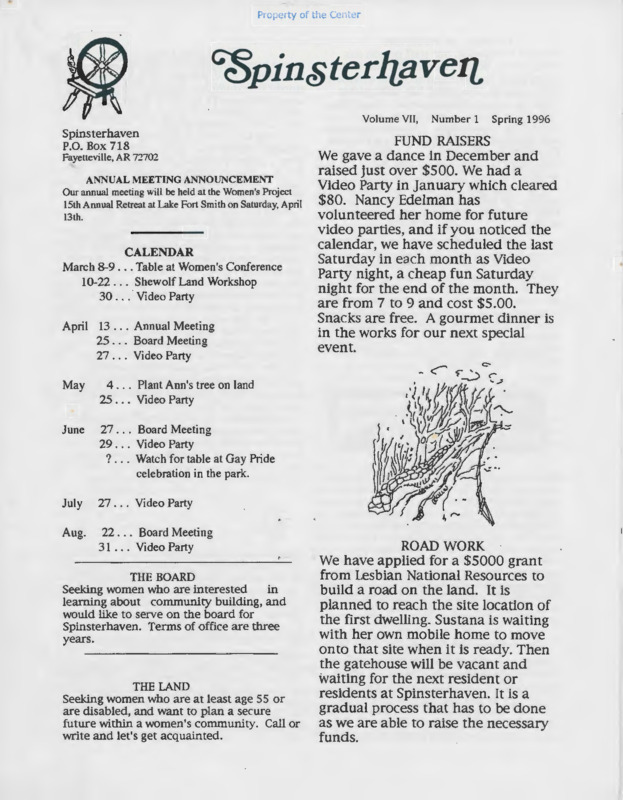
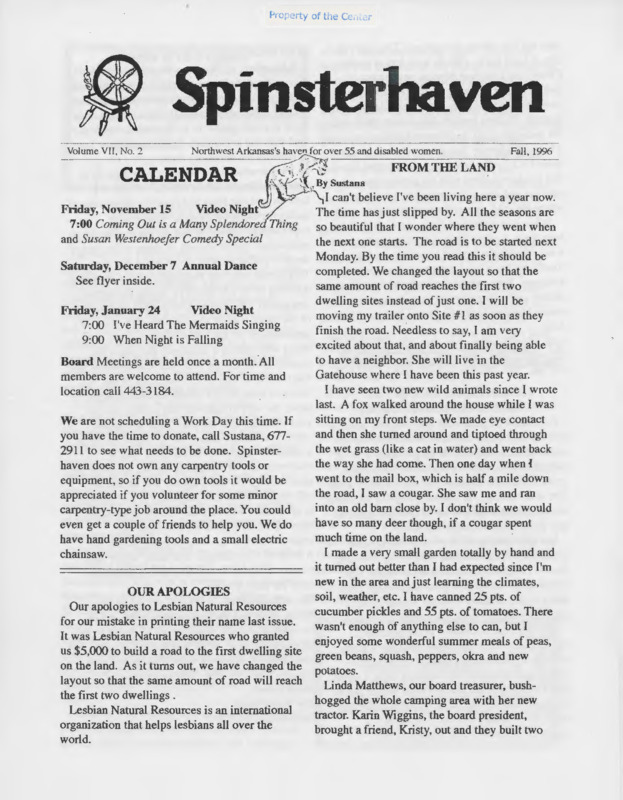
This issue details different fundraisers Spinsterhaven has had and the announcement of a $5000 grant to build a road on Spinster haven’s land from Lesbian Natural Resources. This article also gives readers updates about a staff member taking time off due to health reasons and a new board member being added. There is a brief “In Memorium” section about Mary Grace and Ann Gallmeyer passing, both of whom were very influential to Spinsterhaven. There are also articles detailing future events the organization hosted and a letter from the Vice President declaring a need for a federation non-profit women’s groups in Arkansas.
This newsletter discusses how Spinsterhaven is a refugee for many women that were left out of society for various reasons. It also covers the history of Spinsterhaven, and it was created. This article details how Spinsterhaven was able to get money to expand their property and build a road for better access. This newsletter has an article that discusses Disability Awareness. Another article emphasizes spiritual peace and coming to terms with death through Education, Preparation, and Affirmations. Other primary topics in this edition include astrology and its relation to patriarchy. It even includes an astrological chart which was done for Spinsterhaven that equates Spinsterhaven as a private, personal, and spiritual place.
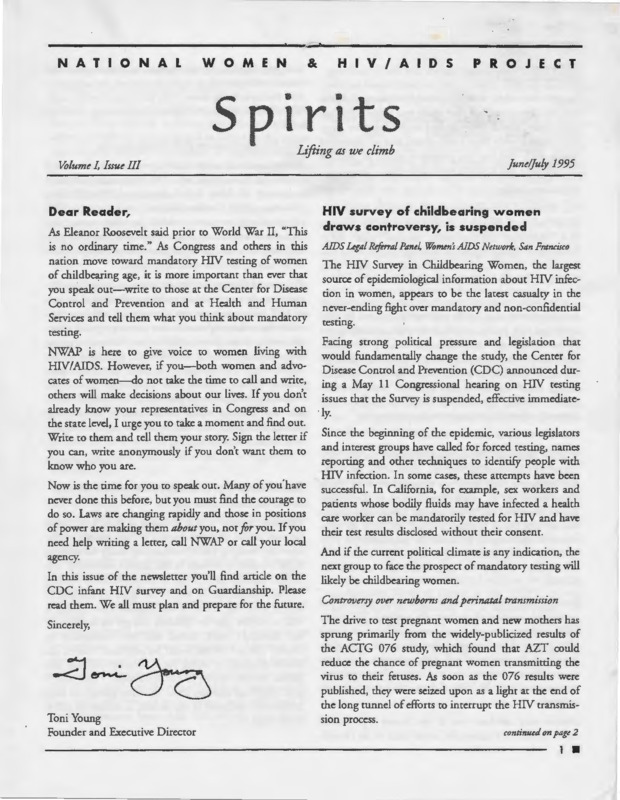
The June/July 1995 issue of the National Women & HIV/AIDS Project Newsletter addresses topics such as the prospect of mandatory HIV testing of women of childbearing age, women and Social Security, legal services for children, updates from the National Institute of Allergy and Infectious Diseases, holistic treatment and information about HIV/AIDS, and relevant conferences, events, and studies.
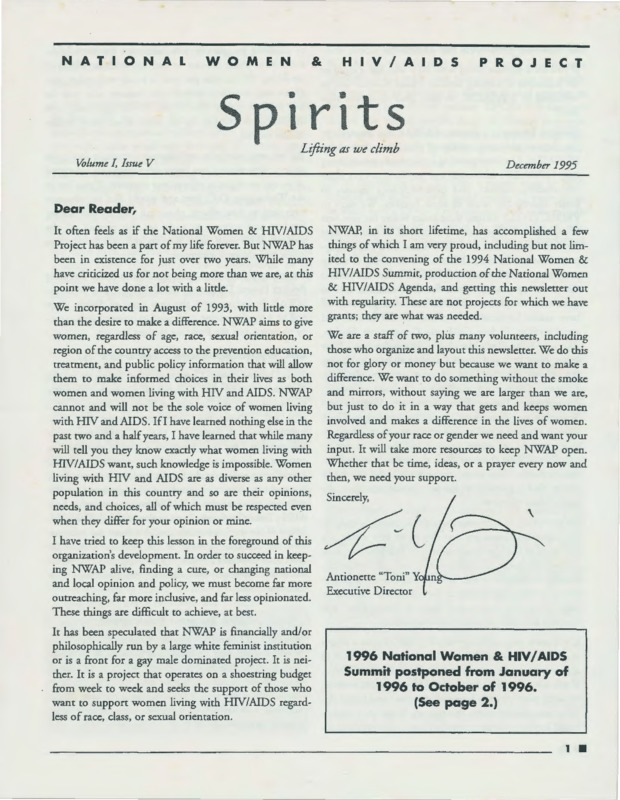
The December 1995 issue of the National Women & HIV/AIDS Project Newsletter addresses the diverse needs of women living with HIV/AIDS, emphasizing inclusivity and grassroots efforts. It reflects on accomplishments like the 1994 National Women & HIV/AIDS Summit and the creation of the National Women & HIV/AIDS Agenda. Features include updates on the "Building Bridges" project, which assists mothers with HIV/AIDS in planning stable guardianship for their children, and highlights the CDC's cryptosporidiosis "voice-fax" information line. Articles advocate for legislative support for HIV-related issues, such as the Ryan White CARE Act reauthorization and programs to enhance access to combination antiretroviral therapies. The newsletter underscores the importance of empowering women through education, healthcare access, and policy change, while inviting contributions from the community.
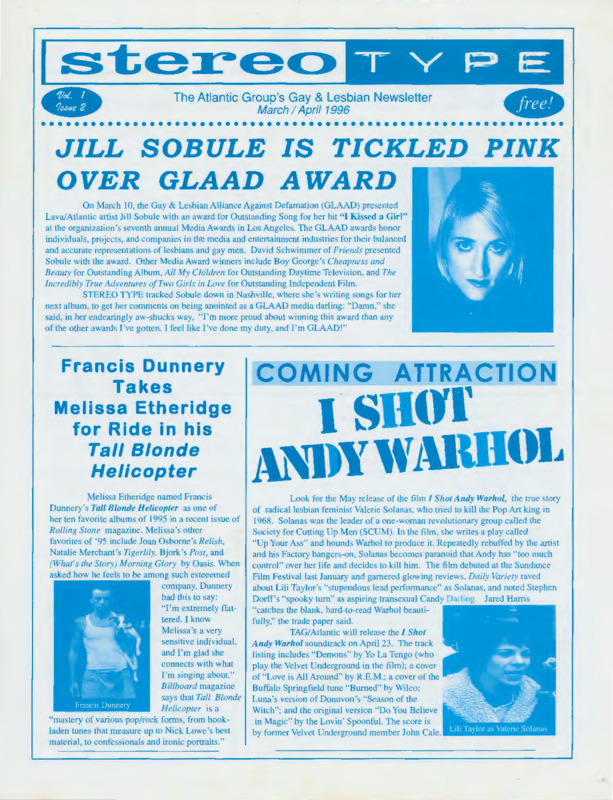
This is the March/April 1996 issue of "StereoType," a newsletter from The Atlantic Group that focuses on gay and lesbian-related cultural events and media. It highlights notable achievements such as Jill Sobule's GLAAD Media Award for her song "I Kissed a Girl" and Melissa Etheridge's praise for Francis Dunnery's album. It reviews upcoming films like I Shot Andy Warhol, which centers on Valerie Solanas. The newsletter features interviews with prominent figures like Michael Feinstein discussing his experiences as a gay artist, Randy Crawford addressing her music's diverse fan base, and Fred Hersch reflecting on Billy Strayhorn's legacy and AIDS activism. It also promotes Atlantic Records' artists, including 7 Year Bitch, Bel Canto, and Extra Fancy, while mentioning benefit projects such as Home Alive's self-defense initiative. The content emphasizes inclusivity, artistic recognition, and community empowerment.
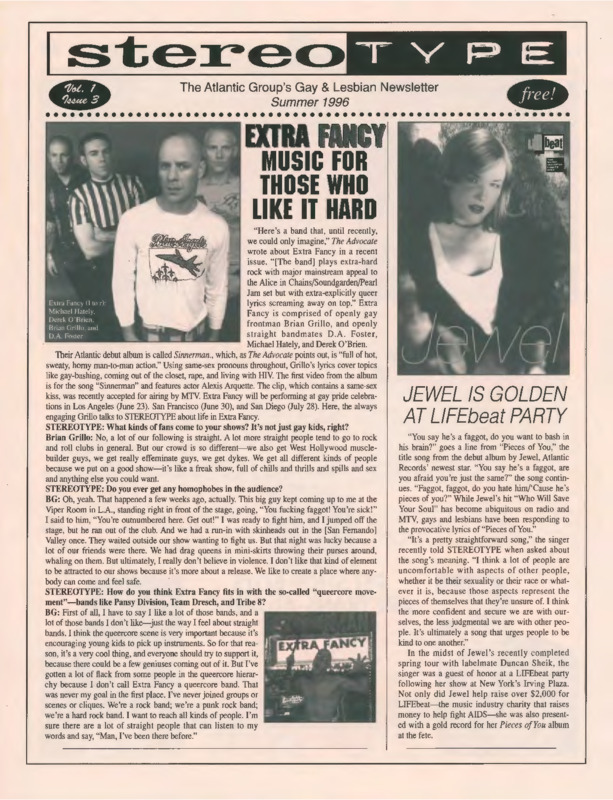
This is the Summer 1996 issue of "Stereo Type," The Atlantic Group's gay and lesbian newsletter. It features a wide array of LGBTQ+-centric cultural and musical updates. Highlights include Extra Fancy's debut album Sinnerman and its openly queer themes, Jewel's hit song Pieces of You addressing homophobia, and Everything But the Girl's celebrated album Walking Wounded. The Pet Shop Boys announced their new album Bilingual, while 7 Year Bitch launched their summer tour. The Braxton sisters (excluding Toni Braxton) are spotlighted for their debut album So Many Ways. The issue also promotes performances at various gay pride events and reviews artists advocating for queer representation and inclusivity in music and culture.
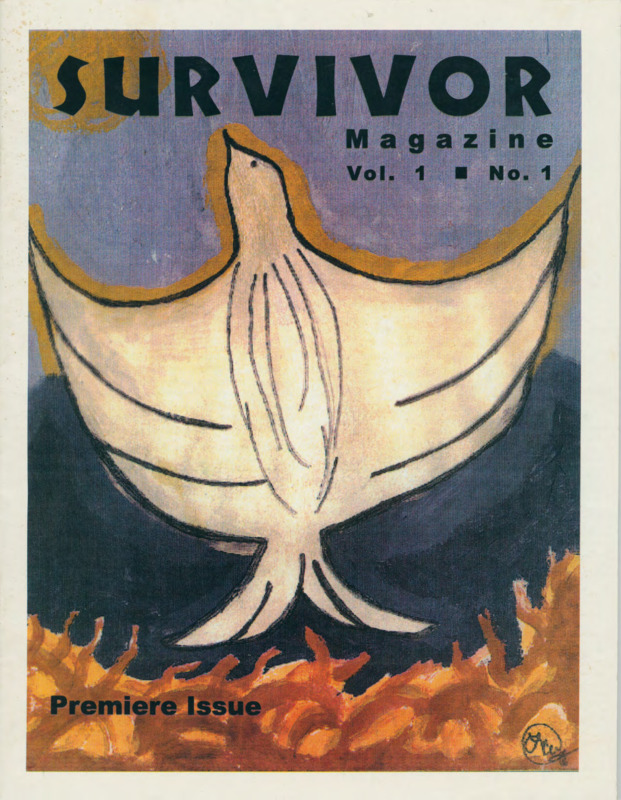
This magazine’s main goal is to call attention to women as the main victims of rape. More than that its goal is to help these women through the healing process after surviving such a traumatic event. Survivor is written and illustrated in a way that gives power back to survivors and reminds them it’s not their fault. This magazine is largely a collection of poems and illustrations that cover themes of rape, child molestation, power, control, and survival. The ending of this issue lists biographies of all contributors that are throughout this source. Another important theme throughout this text is that of victim blaming.
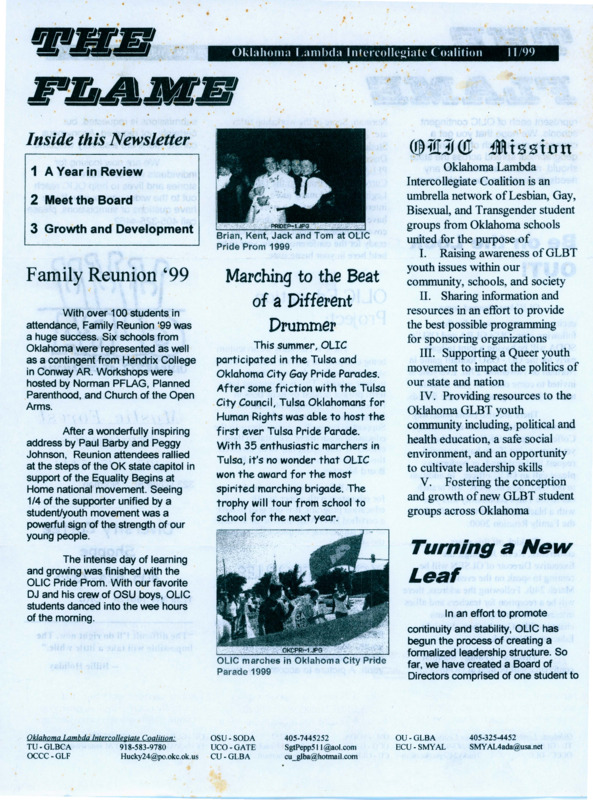
This is a very brief newsletter. Within this particular edition however there is information on family reunion workshops for the year 1999, with new leadership structures to help
the ever-growing program. News on various gay pride events. Local news on the University of Oklahoma and Oklahoma State University campuses as well as education projects.