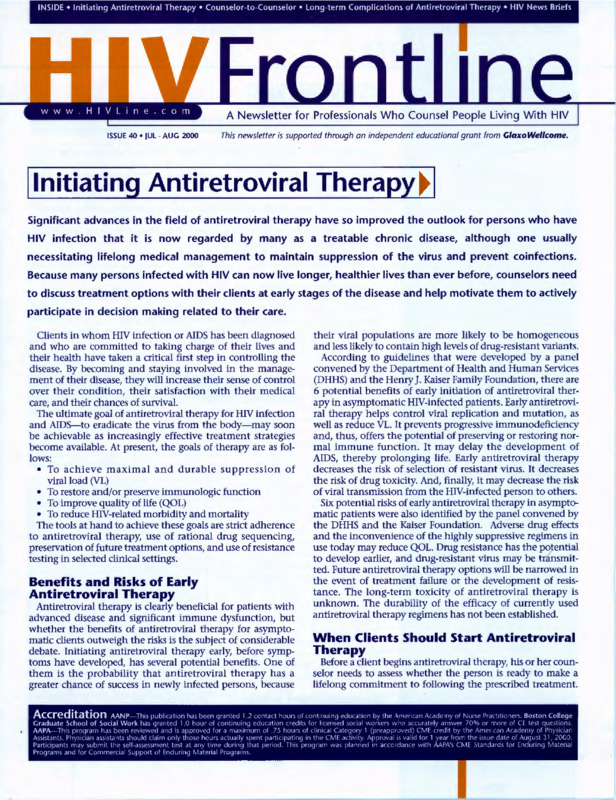
HIV Frontline is "a newsletter for professionals who counsel people living with HIV." The July-August 2000 issue delves into the complexities of initiating and managing antiretroviral therapy (ART) for people living with HIV. It explores the benefits and risks of early treatment, emphasizing the need for patient readiness and strict adherence to ensure long-term success. Key topics include strategies for minimizing resistance, addressing adherence barriers, and customizing treatment plans based on individual needs. The issue also reviews new ART regimens and highlights their advantages and challenges. Additionally, it covers complications associated with long-term ART, such as mitochondrial toxicity, lipodystrophy, and hepatotoxicity. The publication stresses the critical role of counselors in supporting clients through education, adherence strategies, and holistic care.
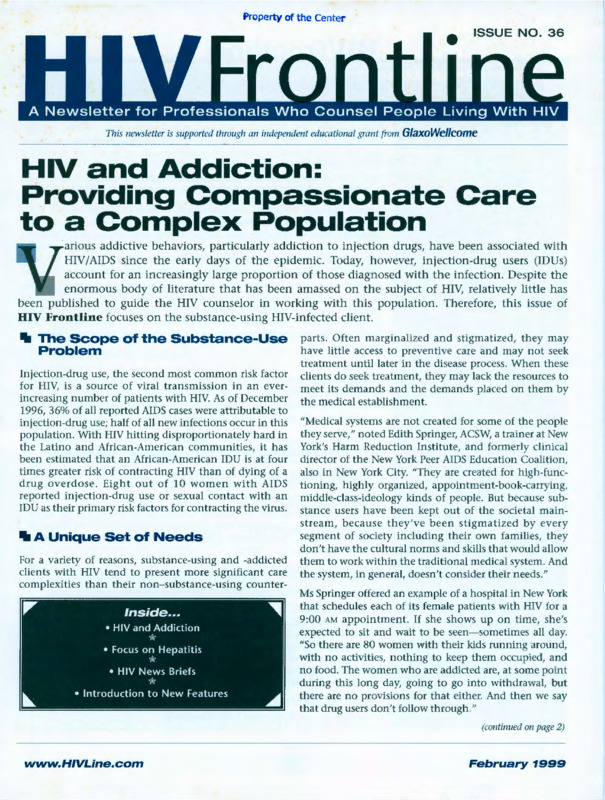
HIV Frontline is "a newsletter for professionals who counsel people living with HIV." The February 1999 issue examines the intersection of HIV and addiction, with a focus on addressing the unique challenges faced by injection drug users (IDUs). It highlights the prevalence of co-occurring psychiatric disorders, medical complications such as hepatitis and tuberculosis, and barriers to accessing care. The issue explores models of care, including harm reduction and abstinence-based approaches, emphasizing the importance of compassionate and individualized treatment plans. It also discusses the impact of addiction on adherence to antiretroviral therapy (ART) and strategies to optimize treatment. The publication includes a detailed focus on hepatitis types A, B, and C, addressing their transmission, prevention, and treatment within the context of HIV care.
HIV Frontline is "a newsletter for professionals who counsel people living with HIV." The Spring 1998 issue explores advancements and challenges in HIV treatment. Key topics include emerging antiretroviral therapies (ART), the evolving standard for viral load detection, and updates on investigational drugs like abacavir and efavirenz. It discusses strategies to maximize treatment effectiveness while minimizing toxicity and resistance. The issue also addresses HIV wasting syndrome, its causes, and multifaceted treatment options, including nutritional support, hormone therapy, and mental health interventions. Public health policy debates are highlighted, such as mandatory HIV reporting and needle exchange programs, emphasizing their impact on prevention and care. Overall, the publication provides a comprehensive overview of medical, psychosocial, and policy issues shaping HIV treatment.
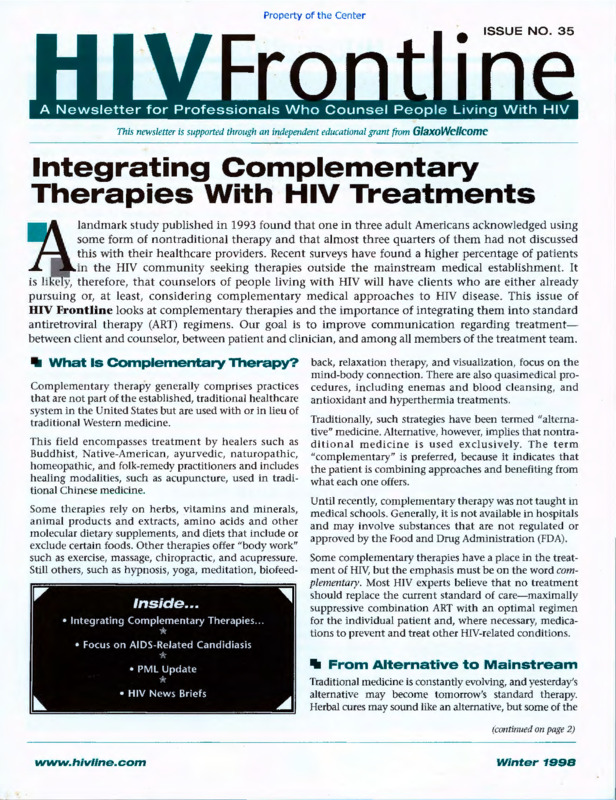
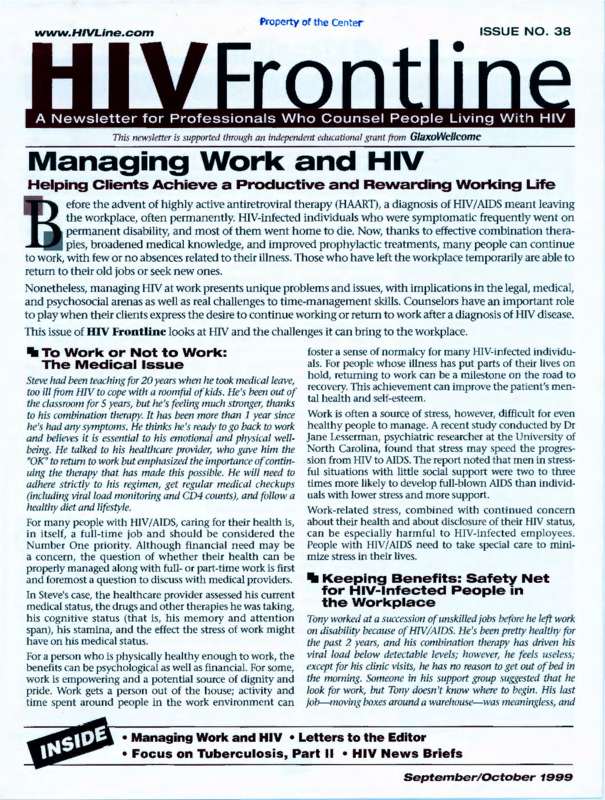
HIV Frontline is "a newsletter for professionals who counsel people living with HIV." The Winter 1998 issue discusses the integration of complementary therapies with conventional HIV treatments, emphasizing open communication between clients, counselors, and healthcare providers. It explores various nontraditional approaches, including herbal medicine, acupuncture, massage, and dietary supplements, while warning against fraudulent or harmful practices. The issue also highlights the prevalence, causes, and treatment of candidiasis, a common HIV-related fungal infection. Other updates include trends in AIDS mortality, partner notification policies, and the impact of antiretroviral therapy on conditions like progressive multifocal leukoencephalopathy. The issue stresses a balanced approach to therapy, combining the benefits of complementary methods with proven medical treatments to enhance quality of life for individuals with HIV.
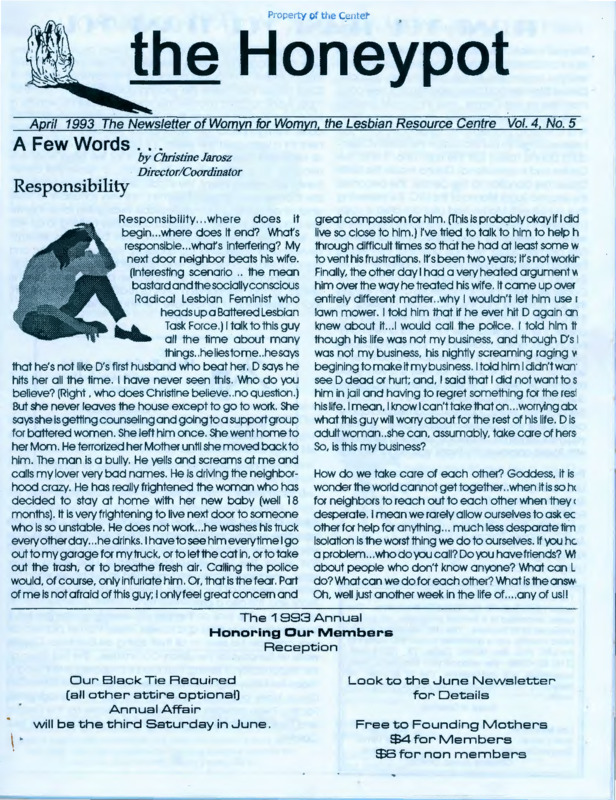
This issue of HoneyPot, begins with a personal letter on the issue of responsibility and witnessing spousal abuse. Information for auctions in 1993 and additional information for credit establishment. Piece on membership, membership fees and how it benefits the newsletter. Information on 1993 Texas Lesbian Conference with the following keynote speakers: Phyllis Lyon, Del Martin, Akasha Hull, Susie Bright and Nancy Lee Josie. Film review of A Place of Rage. Building funds and newsletter updates including: therapy, conferences, and PR. Article on the Battered Lesbian Project, an outreach program that seeks to advocate for those victims of domestic and spousal abuse.
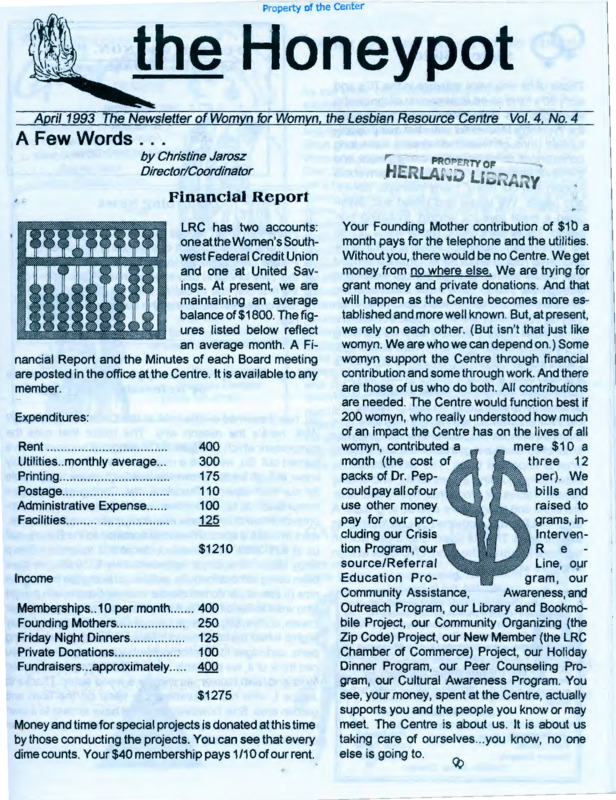
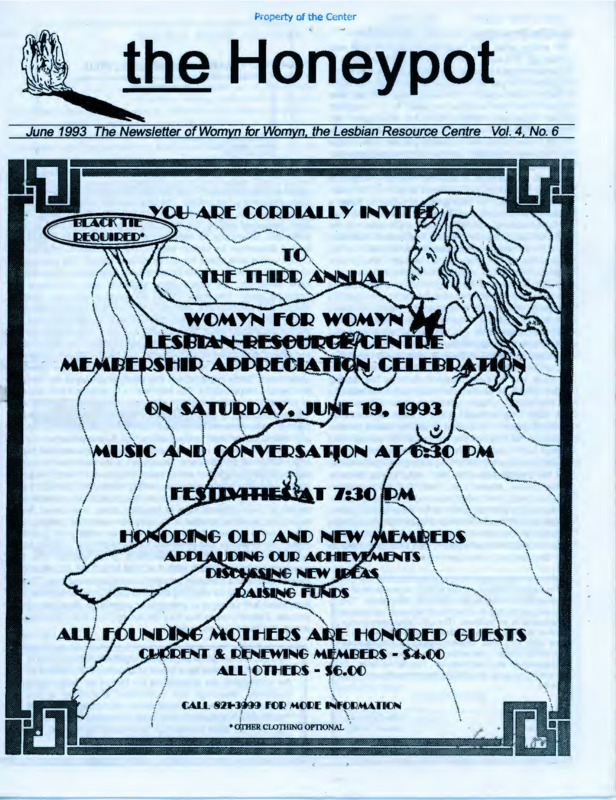
This issue of HoneyPot starts with a financial report of the LRC’s credit union. There is information that gives hypothetical expenses and budgeting strategies. Article on 1970’s and 80’s activism and the Women Movement. Calls for resources and donations. News information on the Texas Triangle, a state gay and lesbian newspaper. Information on Womyn’s 30’s groups. Attention was given for gay games in 1994. Talent show and community calendar events.
In this issue of HoneyPot, the first article deals with Lesbians and domestic abuse, particularly with local Centers working with local Battered Women’s Centers. Information on various centers and the logistics of building them. News on local events with Center meetings. On one page, there is a letter on how Honey Pot has saved the lives of various women and lesbians in the community. Article on film festival at the Gay and Lesbian Film Festival that hosted Marusia Bociurkiw, a Canadian filmmaker. Informative article on the advent of gay and lesbian dating service which was the idea of Trudi Stinson. This was expedited through Alternative Visions. Article on Dallas police entrapping members of the gay community for public indecency.
In this issue of HoneyPot the first issue examines sexism and racism. There is additional information on the Battered Lesbians Project and anti-Semitism. Additional information on training services and the continued issue of unsolicited phone calls that the Lesbian Resource Centre received on a daily basis. Article on the issues of censorship in the LRC newsletters with inspiring words from its readers on the main thrust of the Centre newsletter. Page on the 2nd Annual Lesbian Health Fair. Information on the lesbian community at Fort Worth and additional information on the Battered Lesbian Task Force. Article on Feminism and Racism.
In this issue of HoneyPot, begins with a personal letter by the director and coordinator of Honey Pot Christine Jarosz. Article on Women’s Southwest Credit Union which dealt specifically to help women establish good credit. Calls for various resources needed such as books and writing material. Article on recently missed Winter Dance. General information and talent show information. Informative article on Wimmin’s Magic and rituals, goddesses and rituals.
In this issue of HoneyPot the first article begins with certain officer openings at the LRC. Additional information on an annual meeting to elect new board members. There is more information on the logistics of new board elections. Call for membership dues and how the membership helps the efforts of the newsletter and the LRC at large. Calendar events for entertainment, reading at the LRC library and National Coming Out Day. Article on intimacy and identity in lesbian relationships. Information on sporting events in Dallas such as competitive swimming.
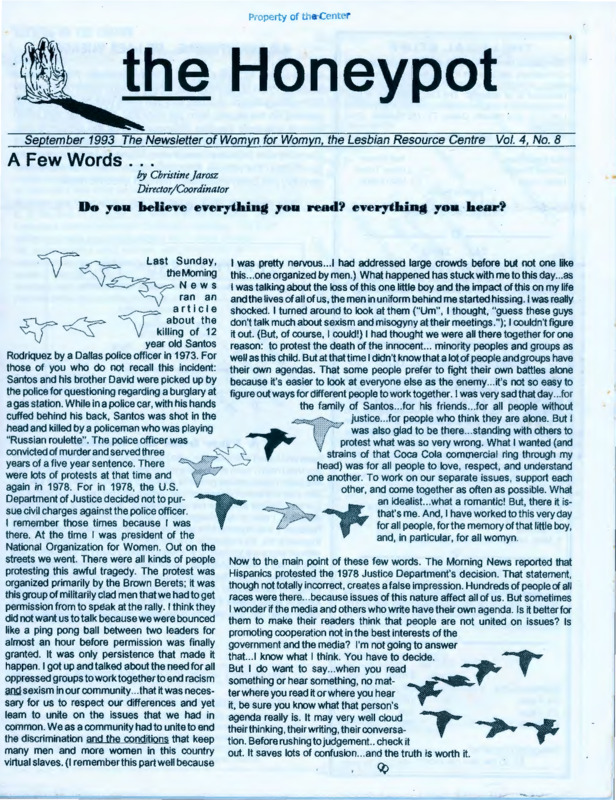
This issue of HoneyPot starts off with the killing of a juvenile by a Dallas police officer, highlighting continued issues of police brutality in the gay and lesbian community. Article on air conditioning repair during the summer. Article on womyn and the embracing of eclectic cultures. Information on game nights and bylaws for the LRC. Article on Womyn en Cambino (WEC). Article on events for Womyn 38 and up and Womyn for Womyn University.
This extensive document is two large documents in one: Hot Flashes and Sisterhood Bookstore. Be that as it may, the central thrust of both the documents is literature and book news. Letters of booksellers as well as tips on how to buy and sell personal books. Very book heavy.
This extensive document is two large documents in one: Hot Flashes and Sisterhood Bookstore. Be that as it may, the central thrust of both the documents is literature and book news. Letters of booksellers as well as tips on how to buy and sell personal books. Very book heavy.
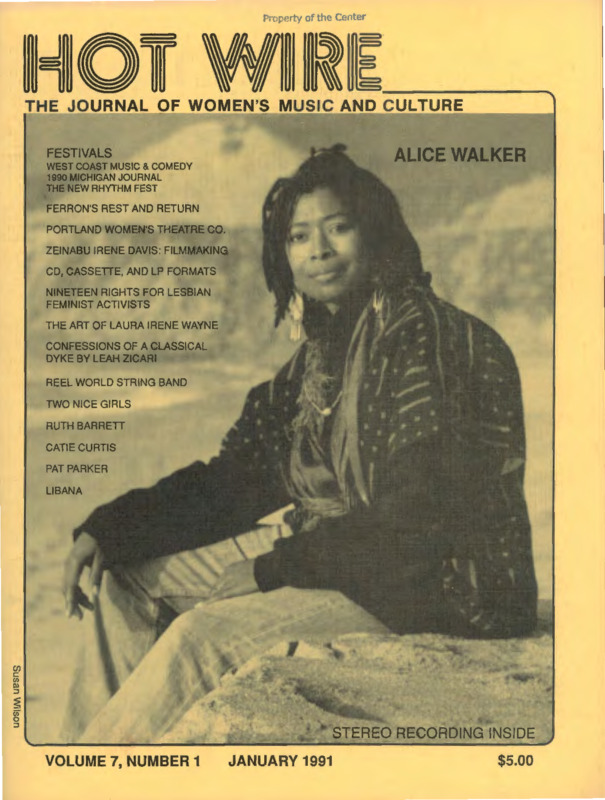
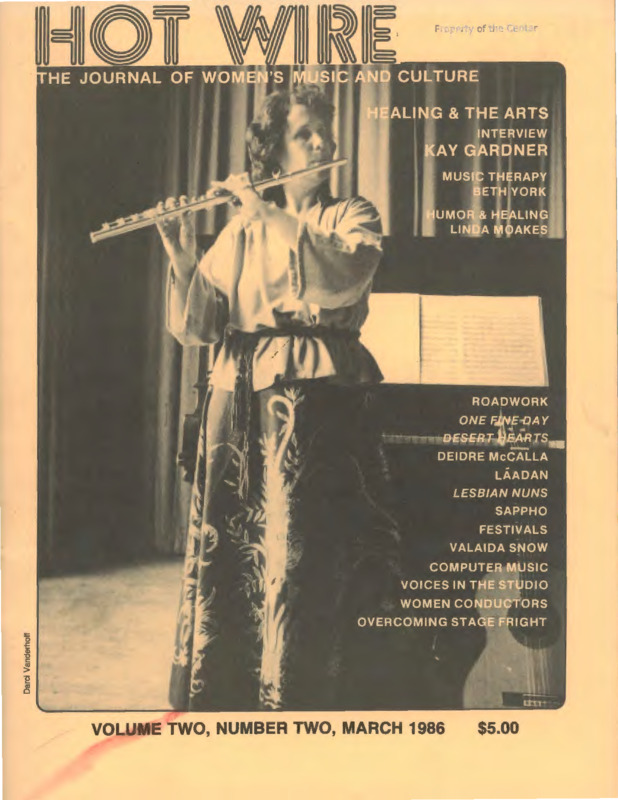
Hot Wire: The Journal of Women’s Music and Culture is a Journal that includes articles about Women in Music, Poetry, and Linguistics. This Edition includes articles and interviews from Women of Color in Music, Women’s Music Festivals, and Women Musicians from around the World.
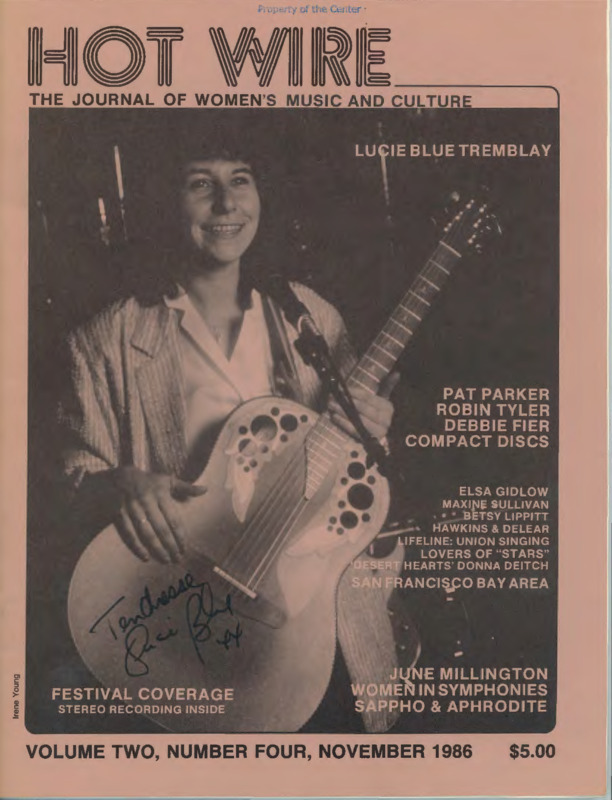
Hot Wire: The Journal of Women’s Music and Culture is a Journal that includes articles about Women in Music, Poetry, and Linguistics. Some of the Topics include Music Festivals, Specific Musician, Concerts, Music Genres, and Intersecting Identities of Women in Music.
Hot Wire: The Journal of Women’s Music and Culture is a Journal that includes articles about Women in Music, Poetry, and Linguistics. Some of the Topics include Music Festivals, Specific Musician, Concerts, Music Genres, and Intersecting Identities of Women in Music.
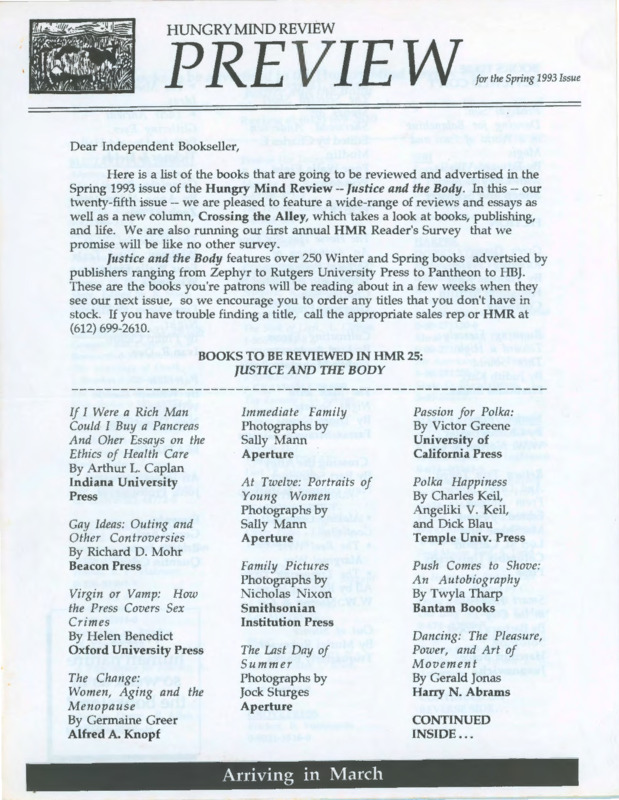
Hungry Mind Review Preview is a Newsletter sent out before Hungry Mind Review to inform people of the books that would be reviewed in the next issue. This issue was sent out for the Spring 1993 issue Hungry Mind Review – Justice and Body. It includes Titles, Authors, and Publishers of the books that would be included. This issue focused on Feminism, Gay Literature, and Literature about Sex and the Body.
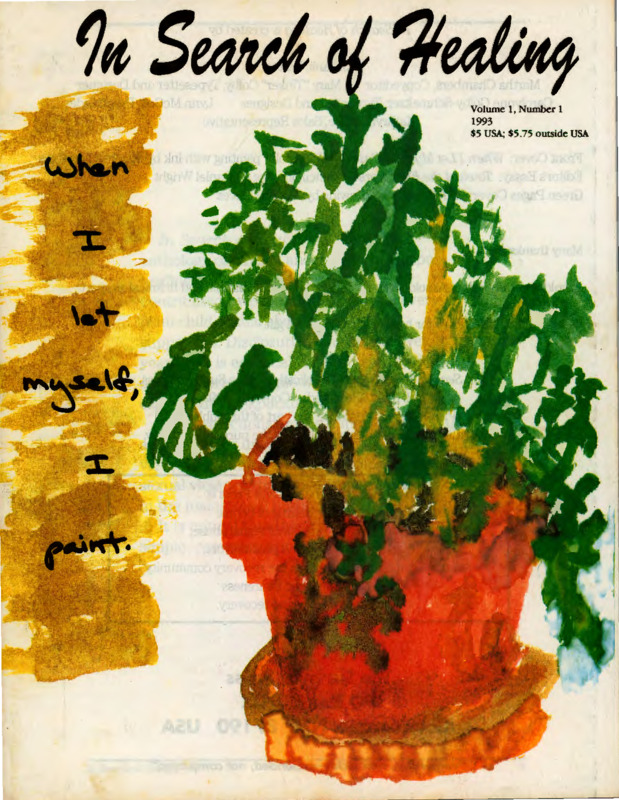
The great bulk of In Search of Healing is poetry written by the survivors of various kinds of sexual abuse from adolescence to adulthood. There are also artistic expressions of how the survivors felt and still feel. There is an abundance of resources that are manifold throughout the newsletter that include therapy and other resources for survivors to begin and continue the healing process.
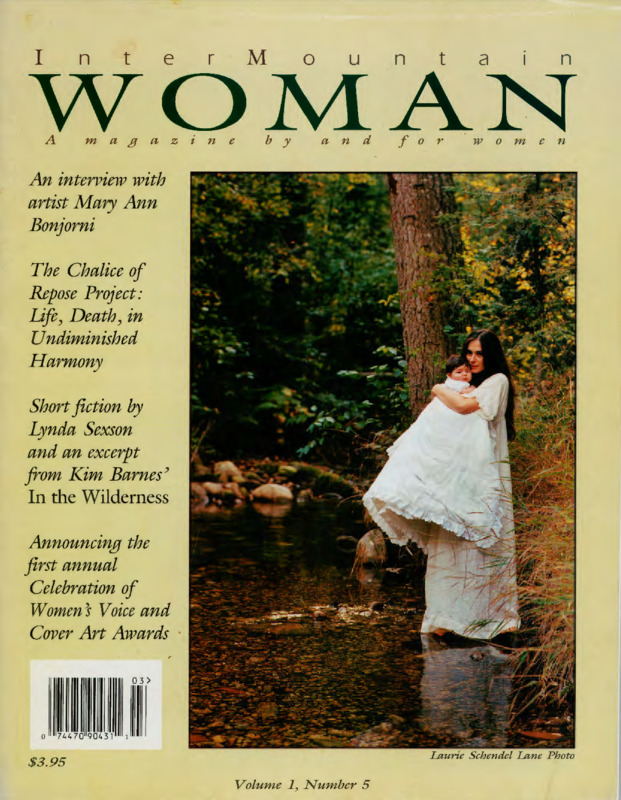
This magazine features various essays, book excerpts, fiction, and poetry specifically for women in the international community. The first prominent article are musician-clinicians and their use of various instruments such as the harp to help expedite the healing process, highlighting their influence in the community. The next several pages deal exclusively with poetry. Large book excerpt on Kim Barnes’ family history. Interview with Mary Ann Bonjorni and epistemology. Additional book excerpts and poetry are scattered throughout the magazine that highlight various topics such as: Indigenous peoples, the future of women in the international setting, and influence of individuals.
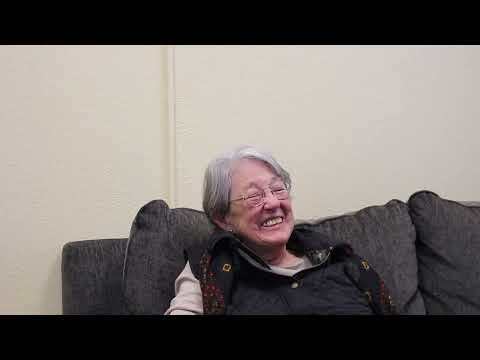
Allyn Lord reflects on the evolution of LGBTQ+ rights, women's spaces, and community building, shaped by her lived experiences and activism. She observes that while progress has been made—particularly as younger women step up to lead—much of the work remains rooted in the collective struggles of her generation. Issues like abortion rights have continued to galvanize the community, but the path to inclusivity has not always been smooth.
Lord recounts specific challenges, such as the targeting of lesbian groups in the 1980s by right-wing infiltrators, which led to the dismantling of some spaces like the Women's Center. Yet, she celebrates how the community responded with resilience, forming stronger bonds through shared purpose. She also recognizes tensions within women-only spaces, particularly around the inclusion of transgender women, emphasizing her personal belief in inclusivity as a natural extension of the rights for which they fought.
Through her creative initiatives, like the long-running Couples Game fundraiser, Lord highlights the power of joy and connection in building community. These events provided a space where women could come together outside the traditional bar scene, raising funds for vital causes while fostering a sense of belonging. Despite challenges such as the AIDS crisis or the perception of LGBTQ+ identities as purely sexual, she recalls how activism, art, and shared experiences deepened the community's bonds.
Ultimately, Lord’s reflections underscore her enduring commitment to the Fayetteville community, which she chose as her home and a hub of activism, creativity, and solidarity.
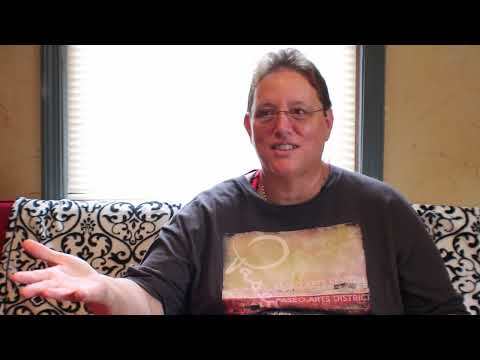
Barb Harris recounts the experience of navigating family dynamics, coming out as LGBTQ+, and building relationships in rural and urban contexts, particularly in Arkansas and Oklahoma, across several decades. She touches on societal attitudes toward LGBTQ+ individuals, community-building efforts through social events like supper clubs and the gay rodeo, and personal anecdotes of resilience and acceptance. She also reflects on generational differences in understanding and embracing identity.
Beverly and Chava recall their experiences being lesbians as well as activists in the early 1980s. Beverly discusses their involvement in the "Razor Dykes" at the University of Arkansas. Chava discusses her involvement in the "Land Dyke" movement. They talk about their connections to Spinster Haven and Eldertree, as well as the experience of having children when it was illegal for homosexuals to do so.
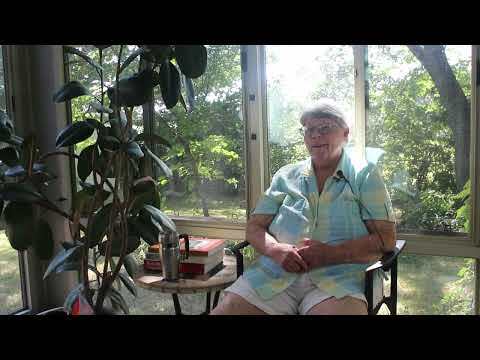
Chris Christophel, 82, shares their journey of activism, identity, and community involvement. From fighting for AIDS awareness, gay and women's rights, to moving to Fayetteville in 1986 and helping create a women’s library, Chris reflects on key moments in their life. They discuss their coming out, their experiences with separatism, and their role in Arkansas' political landscape. Chris also talks about being a buddy to those affected by AIDS and discovering their nonbinary identity. The interview offers insights into LGBTQ+ history, personal struggles, and the evolution of social acceptance.
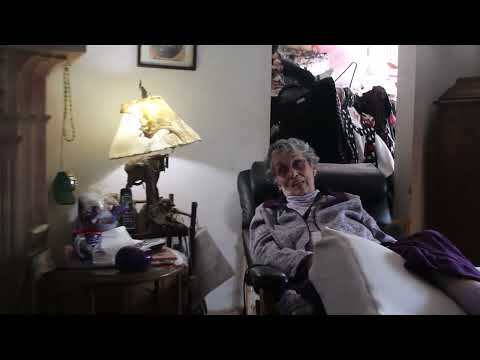
The life and experiences of Diana Rivers, a 90-year-old artist, writer, activist, and community leader. Diana discusses her journey of self-discovery, including her decision to change her name, her identity as a lesbian, and her activism against the Vietnam War and for LGBTQ+ rights. She reflects on her deep commitment to community building, highlighting her involvement in women's spaces like Spinsterhaven and OLHA (Ozark Land Holding Association). Diana also shares insights into her artistic endeavors as a sculptor and writer, particularly her "Hydra" book series, and her embrace of pagan spirituality through Goddess Productions and women's circles. Throughout, she comments on cultural shifts, the challenges of patriarchy, and the evolving acceptance of LGBTQ+ individuals, offering a rich and reflective narrative of her life's work and passions.
An interview with Ginger McGovern, who has been involved with Herland, a women’s community and resource space in Oklahoma City, since 1986. She discusses Herland's origins, which began as a group of lesbians seeking to create a safe space and bookstore for women, particularly to provide access to lesbian literature and women’s music. Ginger shares the challenges the group faced, including fundraising difficulties and the eventual opening of the bookstore. She also describes Herland’s retreats, concerts, and its role in providing a safe environment for women, especially lesbians, in the socially conservative climate of Oklahoma during the 1980s. Over time, as mainstream bookstores and the internet began offering similar resources, Herland’s retail focus diminished, but its lending library remained a valuable community asset.
Jean Kelsey reflects on her involvement with Herland, beginning in the mid-1980s. She describes her early experiences with the organization, starting when a small group of women were working to create a bookstore. Jean served on the Herland board for several years and continued her involvement in an unofficial capacity after her time on the board. Jean highlights the importance of Herland as a safe space for women, particularly those who were often marginalized or misunderstood in the broader community. She shares how the physical location of the bookstore and social activities like retreats provided a supportive environment where women could relax and bond.
Jeanne Neath and Paula Mariedaughter discuss their involvement with feminist and lesbian activism, focusing on women-centered spaces and resources. Jeanne talks about her academic history and Spinster’s Books and Webbery in Kansas. Jeanne and Paula discuss organizing events and initiatives like the Lavender Umbrella community center. They also co-published At the Crossroads, a journal on feminism and spirituality. Central to their activism has been a commitment to separatist principles, emphasizing women-only spaces and relationships. However, their views regarding transgender people, particularly opposition to including trans women in women’s spaces, have been highly controversial, leading to significant conflicts within feminist and lesbian communities. Despite this, they have remained steadfast in their efforts to maintain and advocate for spaces centered on their interpretation of radical lesbian feminism.
Jo Soske discusses her involvement with Herland, beginning from its early days when the collective first envisioned the creation of a women’s bookstore and resource center. The initial idea for the space, LaSalle de Femme, emerged from the collective's work on the Brazen Hussey Rag, a feminist newspaper launched in December 1981. Soske explains how members Jana Bircham and Tanya Peters discovered an empty storefront, negotiated a rent, and initiated the process of opening the bookstore. Through various fundraisers and workdays, the group worked to establish the space, despite challenges, including internal issues and financial setbacks. Soske details their role in organizing fundraising efforts, such as a campaign to pay off the bookstore's mortgage, and mentions their long-term connection with the center, including running a counseling practice there for over a decade. They also touch on the evolution of the space, its move to a new location, and its expansion into community organizing, including hosting events, retreats, and participating in Pride Parades. Through the interview, Soske reflects on their diverse roles in the group, from fundraising to volunteering, and discusses the legacy of LaSalle de Femme, later known as Herland, as a gathering place for feminist and LGBTQ+ communities.
Linda Nelson recalls her experience as an activist since the 1960s, participating in demonstrations against the Vietnam War, for the Civil Rights movement, and for abortion rights. She discusses her involvement with Spinster Haven, including helping acquire some of the property.
Lydia discusses her involvement with the Northwest Arkansas women's community. She participated in rape crisis, the Razordykes, Spinsterhaven, and interacted with women from the land.
This interview features Margaret Cox, a long-time activist, discussing her involvement with Herland. She first joined in 1983. Margaret reflects on the origins of the group, which evolved from a women’s reading group called LaSalle de Femme, and later became a women’s bookstore and community space. She describes how the space served as a resource for women, offering services like counseling, consciousness-raising sessions, and retreats. These retreats, in particular, were significant for creating safe spaces where women could relax and heal, away from men, and were held in remote locations. Margaret also emphasizes the group's non-hierarchical structure, where roles rotated among members, and talks about the group's approach to managing relationships, sexuality, and monogamy, particularly during the AIDS crisis. She provides insights into the inclusive and supportive atmosphere that defined Herland, where women could explore their identities and build community.
This interview with Marian Halsey and Kris Marek reflects on their involvement with Herland. They dicuss the founding of Herland by Barbara Cleveland, initially as a women’s bookstore, and the transition to a community space offering programming and retreats. Marian recalls the early retreats held at Oklahoma State Parks, where participants engaged in communal meals, local music performances, and outdoor activities, and how these events served as both a community-building tool and a fundraising opportunity. She also describes her role in producing the Herland newsletter, which kept members informed and connected. The interview highlights Herland’s evolution from a bookstore to a vibrant space for LGBTQ+ individuals in Oklahoma.
Nancy Vaughn shares her journey as a lesbian, beginning with her realization during her time in the women's corps of the Army. She describes how joining Ozark Land Holding Association (OLHA) was a dream come true and reflects on her experiences working in construction, which shaped her views on separatism. She also discusses her family, where many were gay, and the challenges she faced as a lesbian in the military, as well as her later careers as a teacher and carpenter.
Nancy recalls her time in the land movement, particularly her work on Diana Waters' house, and describes living in a women-only community as a deeply fulfilling experience. While not a separatist, she discusses her thoughts on trans women and the occasional invitation of cisgender men to the land, though they cannot live there. She shares her comfort in coming out to coworkers during her construction days, and while she experienced teasing, she was fortunate to find understanding men, although she also had negative experiences with others.
Nancy reflects on some of her most memorable moments at OLHA, including women coming together for workdays and Thanksgiving. She speaks about finding the love of her life and the happiness they shared, though she acknowledges that not everyone has had such luck. The conversation touches on non-monogamy and BDSM, with Nancy expressing that these were not her interests, despite her attempts to understand them.
She also talks about the impact of the HIV/AIDS crisis, recounting the story of a close friend who contracted the virus while trying to get pregnant and passed away when her child was 11. Nancy shares funny stories from her life, her role as a founder of Spinsterhaven, and the importance of their women's center. While finding board members has been challenging, she expresses determination to continue the work.
Pam Schonauer discussing her experiences with a women’s retreat and community space, likely associated with Herland. Pam reflects on the role of music in the group's early days, highlighting its significance during the retreats, where concerts and performances by women’s musicians created an intimate, communal atmosphere. She notes that over time, the focus on music has diminished, possibly due to changes in leadership or the group's evolution. Pam discusses the evolving dynamics of the group, mentioning the shift from being a women-only space to a more inclusive environment, where a broader range of people now attend. She also addresses conflicts that arose around issues of personal freedom and behavior, particularly concerning sexual activity, nudity, and substance use. The challenge of maintaining a safe space for everyone is a central theme, as individuals with different needs, such as those in recovery, found certain behaviors uncomfortable or triggering.