La Salle des Femmes
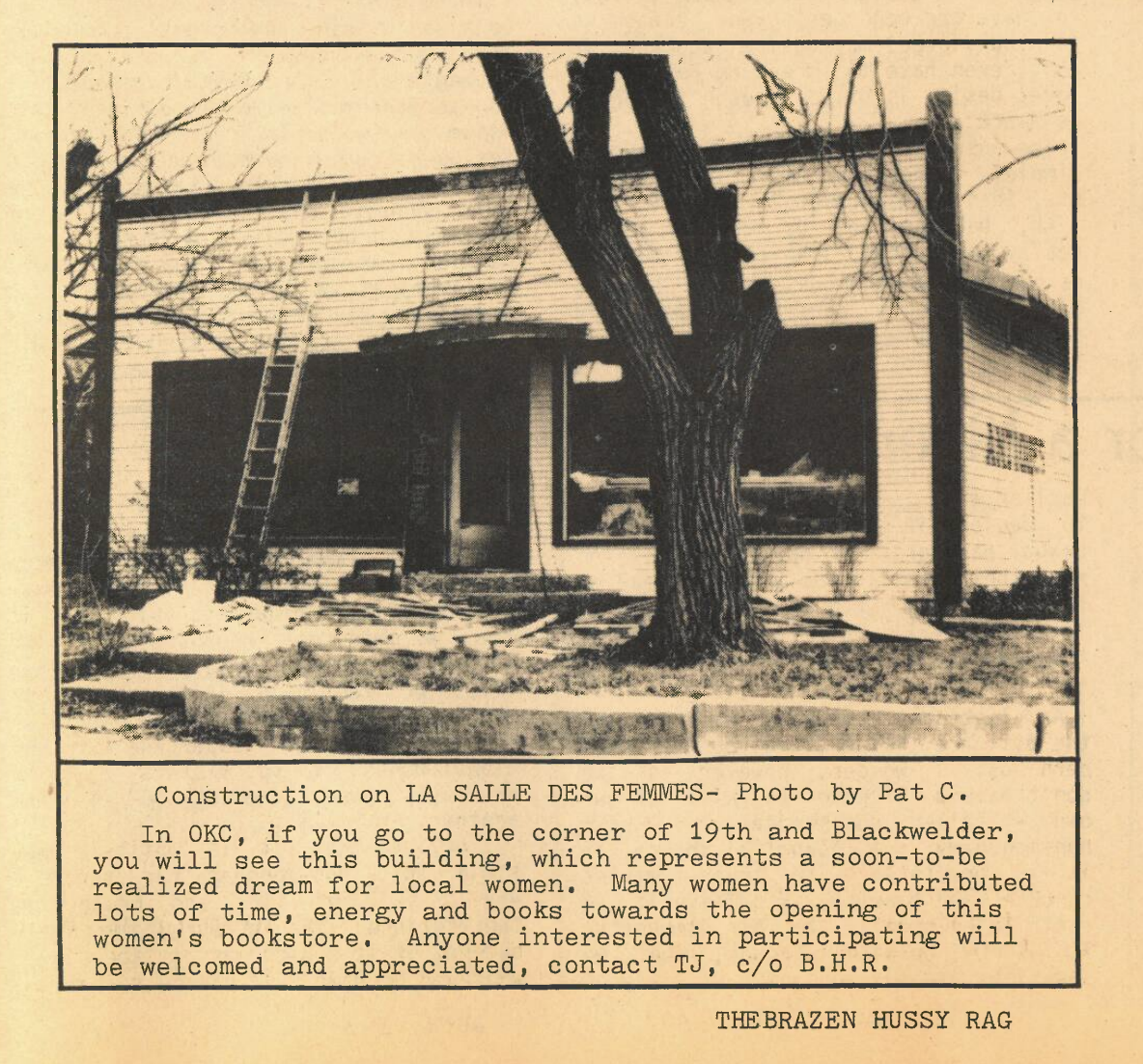
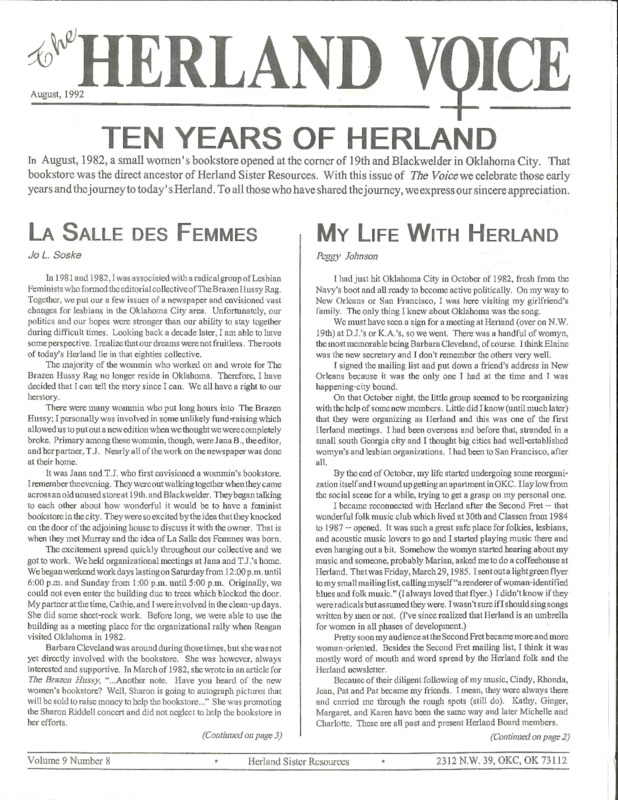
Before Herland Sister Resources became known as Herland, there was La Salle des Femmes. Founded in Oklahoma City in 1982 by a group of lesbian and feminist women, La Salle des Femmes was the city’s first feminist bookstore. Its name, which translates to “the women’s room,” reflected one of the project’s central goals: to create a space by and for women, especially lesbians and feminists, outside of mainstream institutions and outside of the bar scene.
La Salle des Femmes was part of a larger national movement of feminist and lesbian feminist spaces that emerged across the United States in the 1970s and 1980s. During this period, women opened bookstores, presses, coffeehouses, restaurants, health centers, and community rooms as alternatives to institutions that often excluded or misrepresented them. Feminist bookstores were especially important because they circulated books, periodicals, music, and political information while also serving as informal gathering places and resource centers. In Oklahoma City, La Salle des Femmes reflected this broader movement while responding to the specific needs of women in a more conservative region.
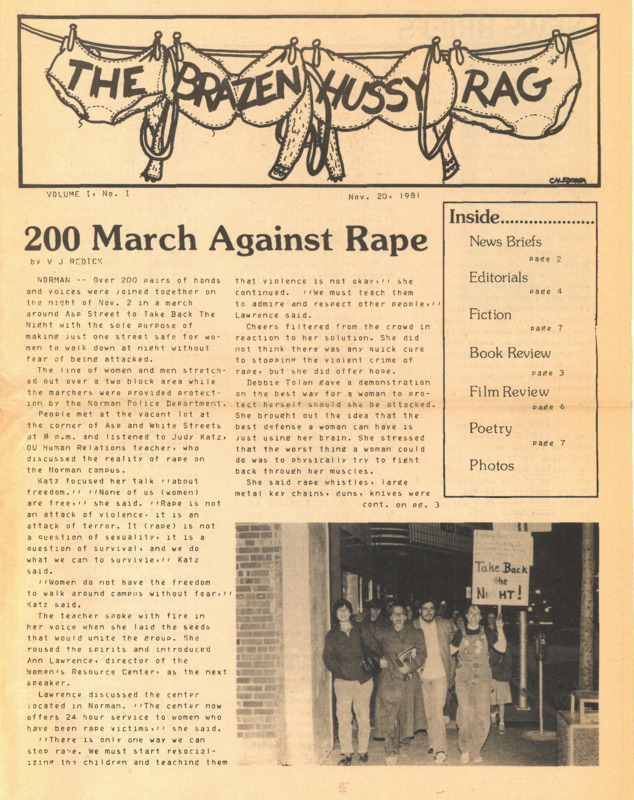
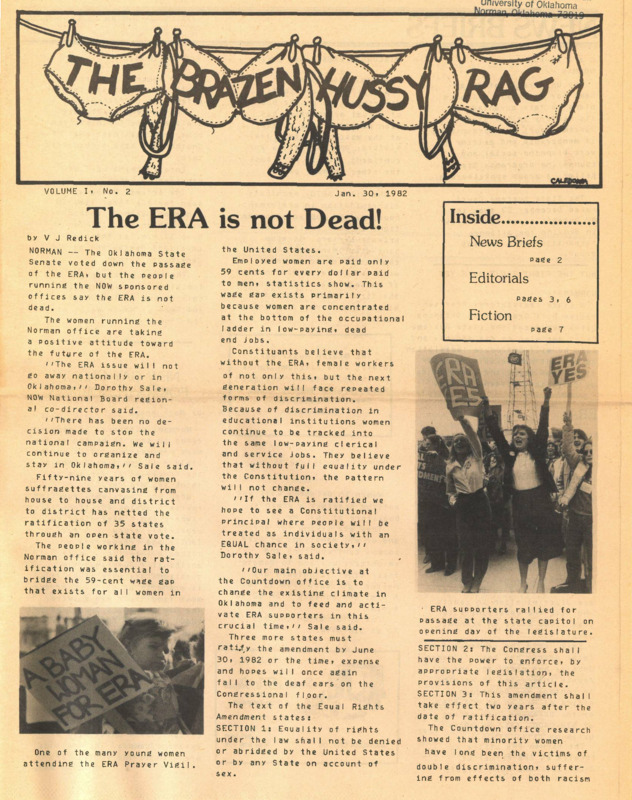
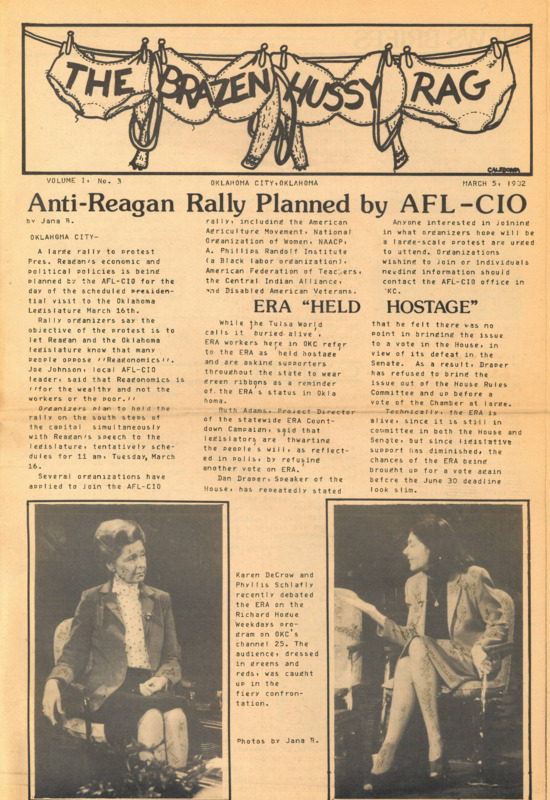
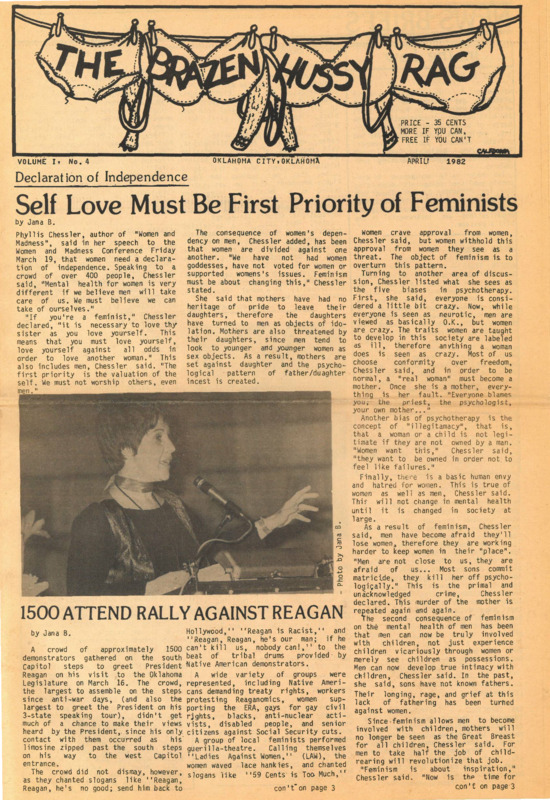
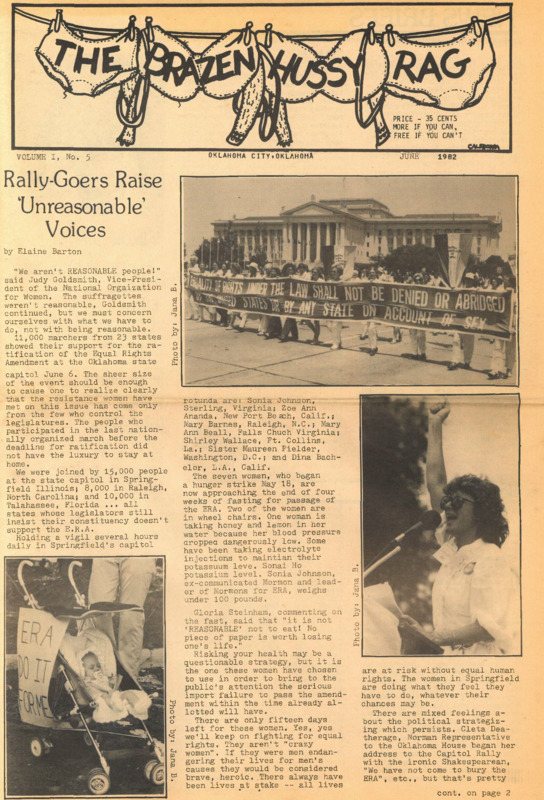
The bookstore grew out of an already active feminist community. Its founders were publishing the Brazen Hussy Rag, a newspaper that shared local and national feminist news. Through collective labor and fundraising, they transformed an empty storefront into a volunteer-run bookstore and community space. La Salle des Femmes offered access to feminist and lesbian writing at a time when these materials were difficult to find in Oklahoma. Books, newsletters, and periodicals connected local readers to wider conversations about feminism, lesbian identity, women’s health, spirituality, anti-violence work, and political organizing.
Although La Salle des Femmes began as a bookstore, it also functioned as a point of connection. For women who were newly out, politically engaged, isolated, or searching for community, the space offered access to information and to one another. Internal conflict eventually split the original founders, and the future of the project became uncertain. At that point, Barbara “Wahru” Cleveland stepped in to help sustain the bookstore. Her vision expanded the project beyond a bookstore alone. Wahru recognized the need for a broader women’s center, a shift that would help shape the development of Herland Sister Resources.
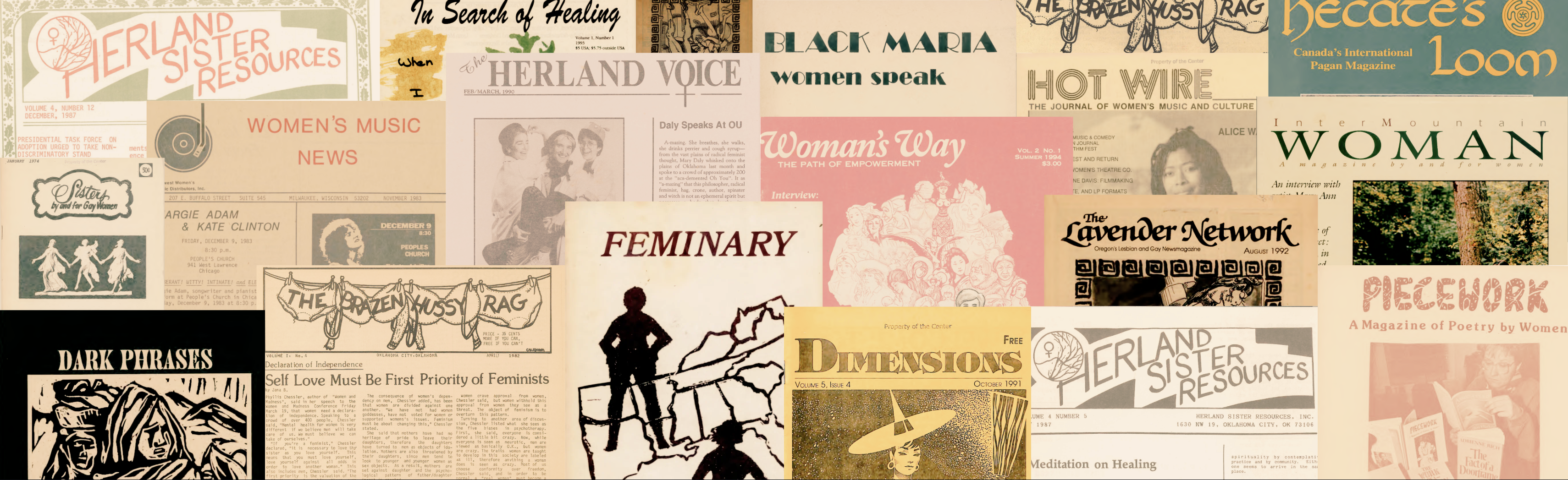
Explore The Brazen Hussy Rag