
Herstory
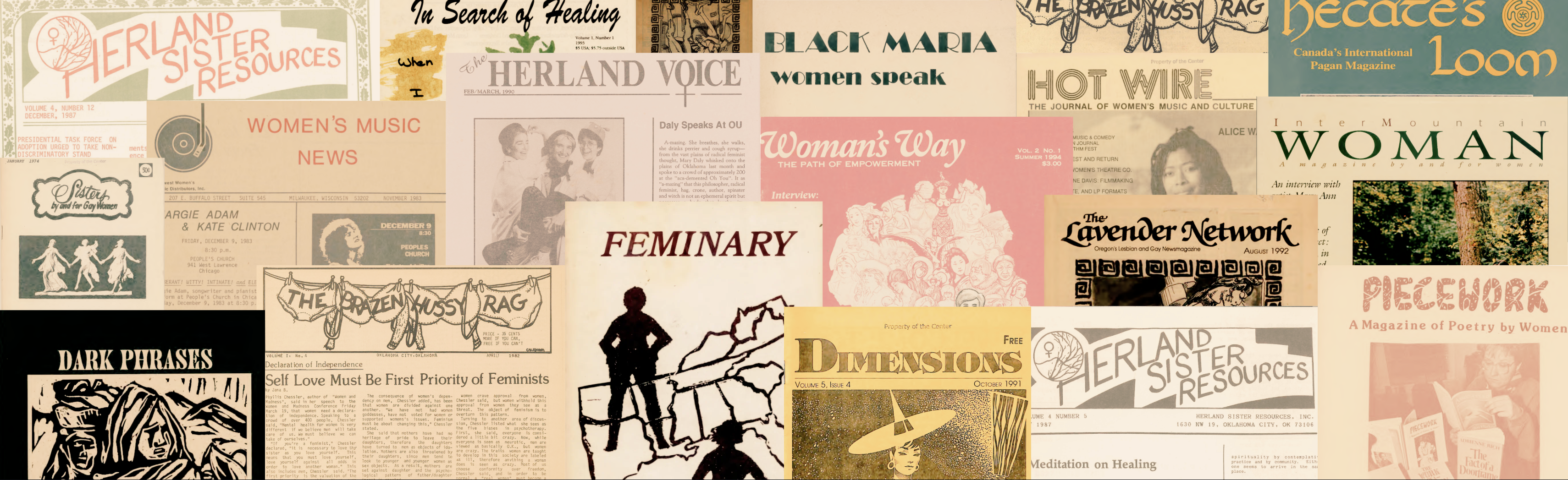
Herland Sister Resources (HSR) is a womanist nonprofit organization based in Oklahoma City. Founded in the early 1980s, HSR continues to foster community among lesbian and feminist women in Oklahoma. HSR has a rich history that illuminates broader developments within lesbian and feminist movements from the 1970s through the early twenty-first century. Drawing on materials created and collected by this organization, this exhibit examines Herland’s founding, the community it sustained, the activism it supported, and the histories it preserved between 1982 and 2016, when HSR donated its collection to the University of Central Oklahoma to establish the Herland Archive.
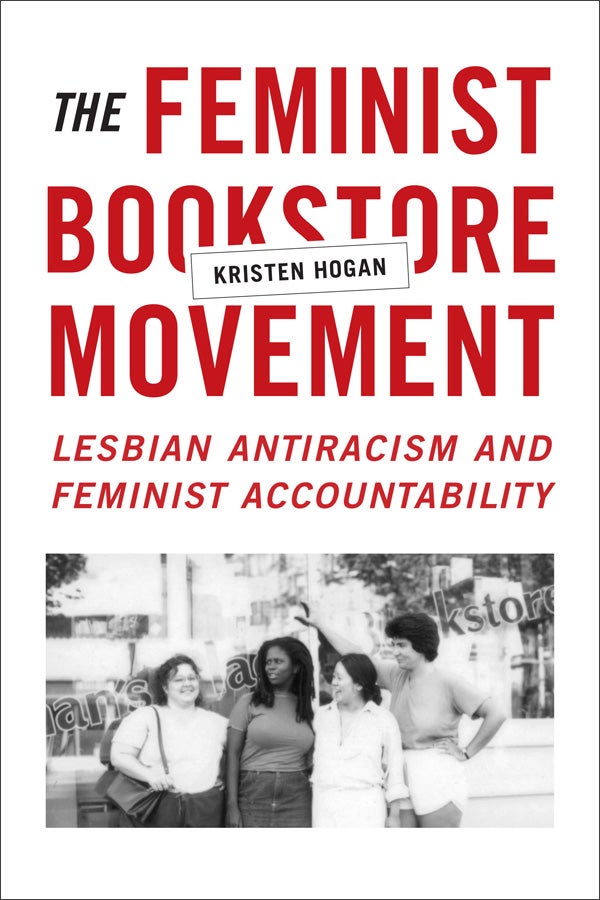
Beginning in the early 1970s and continuing into the 1990s, women across the United States established more than one hundred feminist bookstores. This movement, although geographically diverse, was connected through networks of communication that included conferences, newsletters, and journals. These networks allowed bookstores serving distinct local communities to exchange ideas, resources, and strategies. Kristen Hogan documents this movement in her book The Feminist Bookstore Movement, in which she refers to the women who build and sustained these networks as “bookwomen.” As she reveals, feminist bookstores were not ordinary businesses, but “organizations in which bookwomen worked together to develop ethical feminist reading practices that, in turn, informed relational practices.” 1 The women who sustained these bookstores were often organizers and activists as well as booksellers. Their stores provided access to feminist and lesbian literature while creating spaces for education, political organizing, cultural exchange, and community formation.
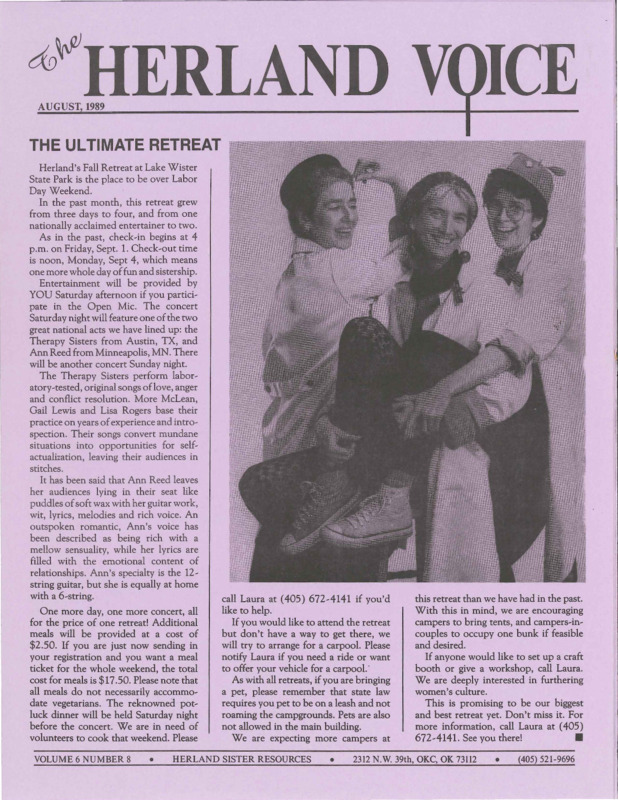
Herland Sister Resources, often simply known as Herland, was Oklahoma’s only feminist bookstore of this kind. It formed part of this broader network of feminist activism reflected the significant role lesbian women played in leading and sustaining the feminist bookstore movement. While many feminist bookstores closed their doors in the 1990s and early 2000s due to growing financial pressures, competition from chain bookstores, and shifts toward more conventional models of bookselling, Herland persevered because of its commitment to feminist community and activism. Its longevity demonstrates that the feminist bookstore movement was not successful because of its business strategies, but because of the community it fostered as a gathering place and an organizing center.
Notes
- Kristen Hogan, The Feminist Bookstore Movement: Lesbian Antiracism and Feminist Accountability (Durham, NC: Duke University Press, 2016), xvii.↩